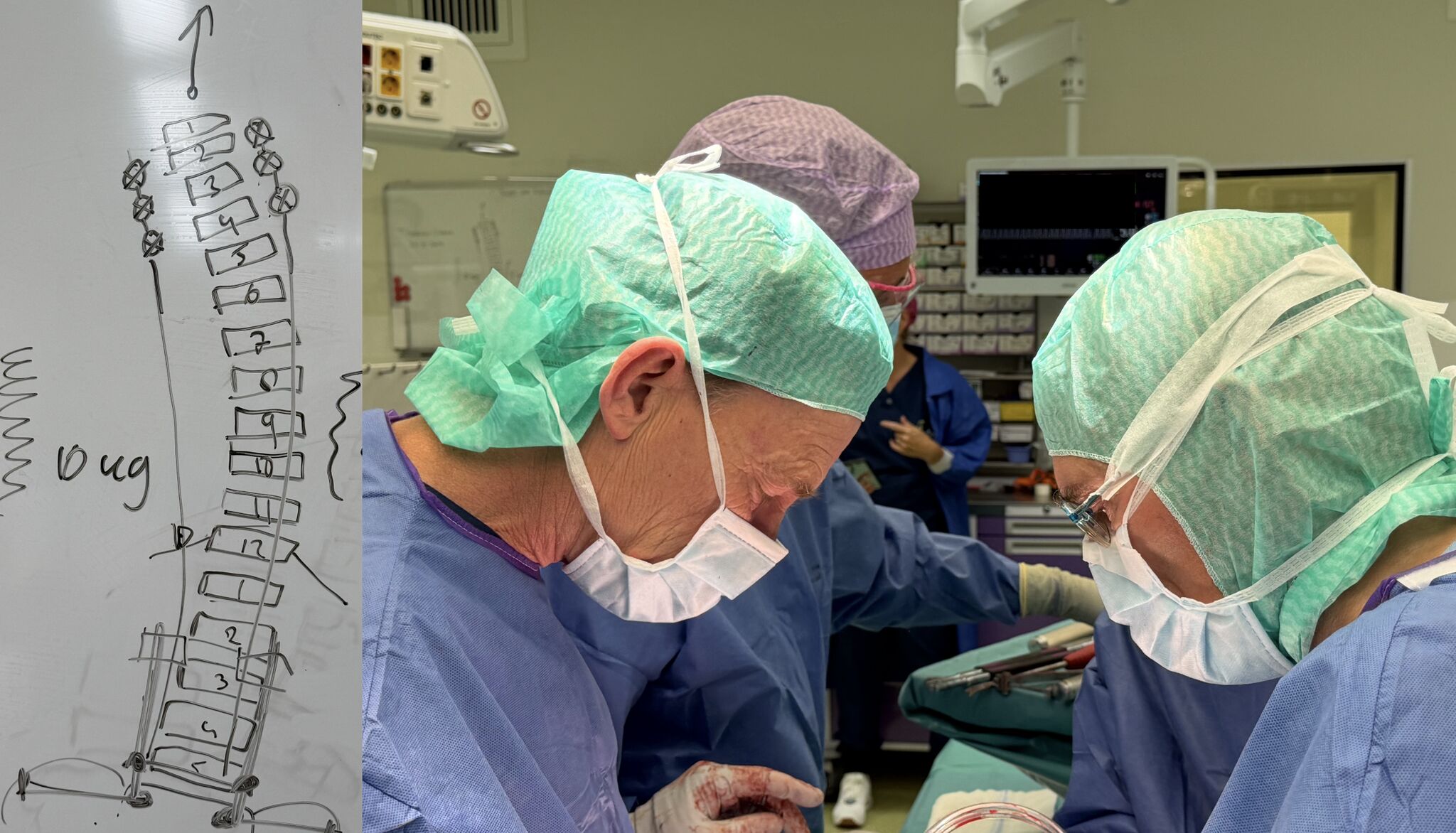
Cresco’s story begins from an unmet need in treating Early Onset Scoliosis
Cresco Spine began in 2015 with a single child. Faced with a life-threatening case of Early Onset Scoliosis and no sustainable way to treat it, UMC Utrecht spine surgeons René Castelein and Moyo Kruyt applied a principle from limb lengthening to the spine, pairing familiar spinal instrumentation with a spring to provide continuous, dynamic distraction.
That first Spring Distraction System (SDS™) led to years of clinical research, a refined design, and the founding of Cresco Spine to make it available to surgeons worldwide. The purpose remains rooted in that first clinical need: helping children with spinal deformity keep growing, with a system designed to accommodate movement and reduce the burden of repeated interventions.
Backed by leading clinical and research partners.





Meet the people behind Cresco Spine who are dedicated to improve Early Onset Scoliosis treatment.
-
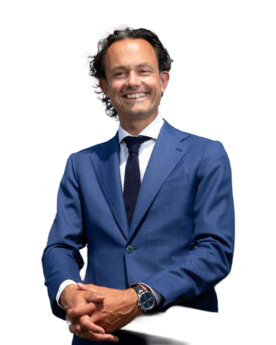
PhD
Dennis Magermans
Chief Executive Officer
-
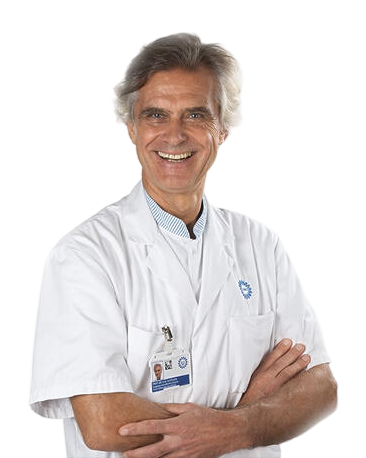
Prof. dr.
René Castelein
Chief Medical Officer, Co-Founder
-
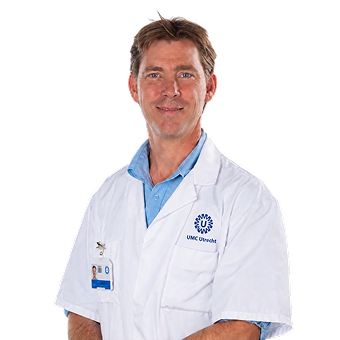
Prof. dr.
Moyo Kruyt
Advisor, Clinical Principal Investigator, Co-Founder
-
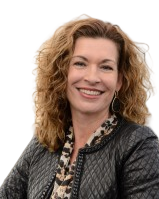
MD, PhD
Nancy Lamerigts
Chief Marketing & Communication Officer
-
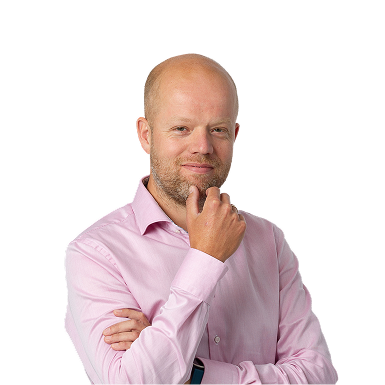
David Catsburg
Chief Financial Officer
EOS can ask a child to spend their first ten years moving between operating room, recovery ward and home.
Early onset scoliosis is diagnosed before a child’s tenth birthday, often much earlier. In its severe forms it does more than curve the spine: it constrains the chest as it grows, limiting the development of the lungs and heart at the very stage when that development matters most. Treatment works against a difficult constraint. The spine has to be corrected, but it also has to be allowed to grow.
For decades the answer has been to implant rigid rods and lengthen them as the child grows — a cycle of interventions and follow-up that can stretch across a child’s entire early life. Even current modern solutions still require frequent visits to the hospital. One of the reasons we started Cresco Spine is that we believed that trade-off, growth or correction, was not a permanent one.
News & Editorials
-
4 September 2026
Eight children in the United States have now been treated with SDS™
Three centres, five surgeons, a little over four months — and a pace chosen for clinical success rather than for market access.
Read Article -
23 July 2026
The 160th child treated with SDS™ at UMC Utrecht
At the WKZ in Utrecht, the 160th child with Early Onset Scoliosis was treated with SDS™ inside the ongoing clinical study.
Read Article -
26 June 2026
First US SDS™ implant at Scottish Rite for Children
On April 20 a child in Dallas became the first patient in the United States treated with the Spring Distraction System™.
Read Article -
2 February 2026
FDA clearance is not the finish line. It’s the starting gun.
A pre-Series A round closes, and with it a controlled introduction in the US and Canada, a CE trajectory in Europe and a route of its own for the UK.
Read Article